Peanut Satay Sauce Recipe (kuah kacang)
To Be Or Nut To Be
What makes this Peanut Satay Sauce recipe (kuah kacang) authentic?
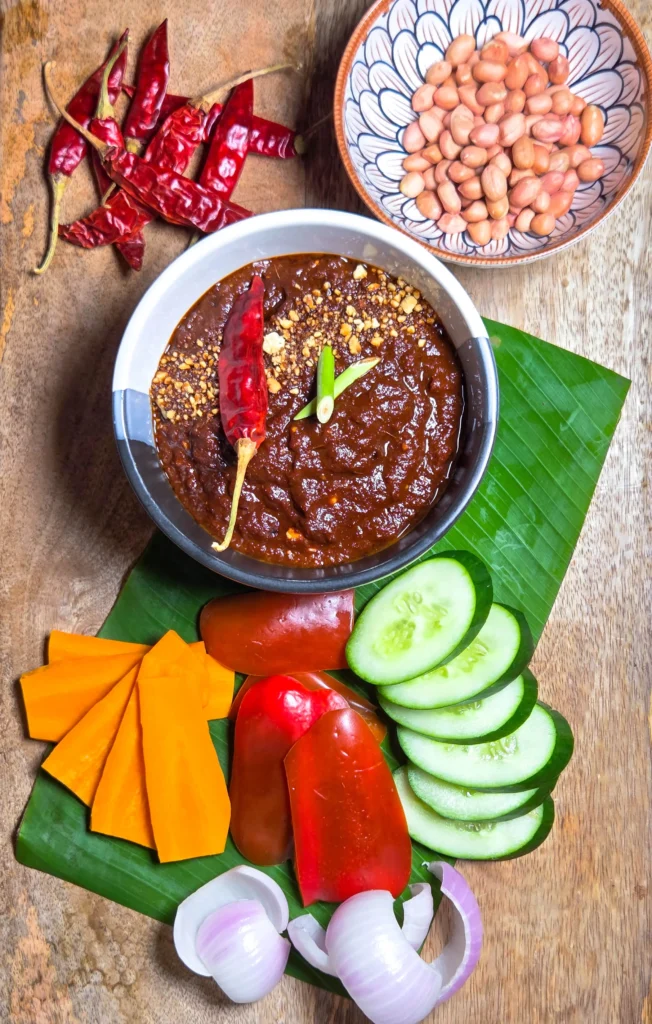
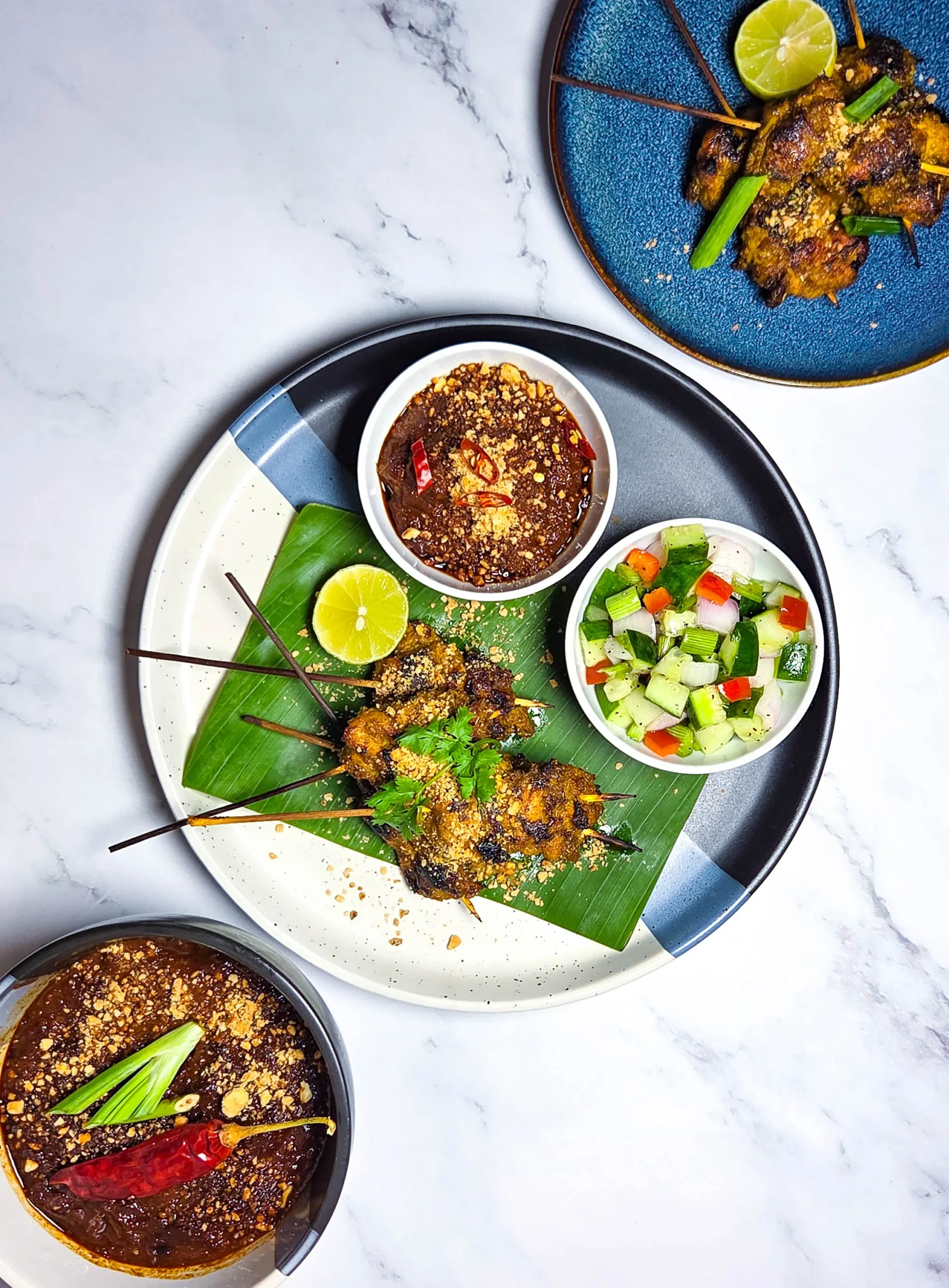
Bold, sweet, salty, and tangy – this authentic peanut satay sauce recipe Kuah Kacang brings street food vibes to your kitchen. This Singaporean and Malaysian-style sauce – known as kuah kacang – is rich, aromatic, and deeply savoury with just the right balance of sweetness, spice, and nuttiness. Unlike overly sweet Western versions, this recipe uses toasted peanuts, lemongrass, galangal, and dried chilies for bold, layered flavour. It’s the kind of sauce that clings beautifully to skewers and lingers long after the last bite. Perfect for grilled meats, salads, seafood, or dipping.
You’ll love it if…
…you’re after a satay sauce that actually tastes like the ones from hawker stalls in Singapore or Malaysia – thick, fragrant, and packed with real roasted peanuts and spice.


Poor peanut. He’s never given credit – for example being paid peanuts means to earn nothing. For some reason he’s even being edged out of his global empire of butter, with the very trendy, expensive pistachio butter featuring in every viral recipe possible.
Well you know where they take peanuts seriously? Asia. Asia gives peanut the crown he deserves, in sauces, stir fries, salads and garnishes. Take this recipe for example. This satay sauce recipe pairs peanut with chilli, shrimp paste, lemongrass. Its spicy, tangy, bold, balanced. It celebrates not just the nutty flavour of peanut but also it’s savouriness and its brilliant texture.
Go on, take a bow Peanut. You deserve it.



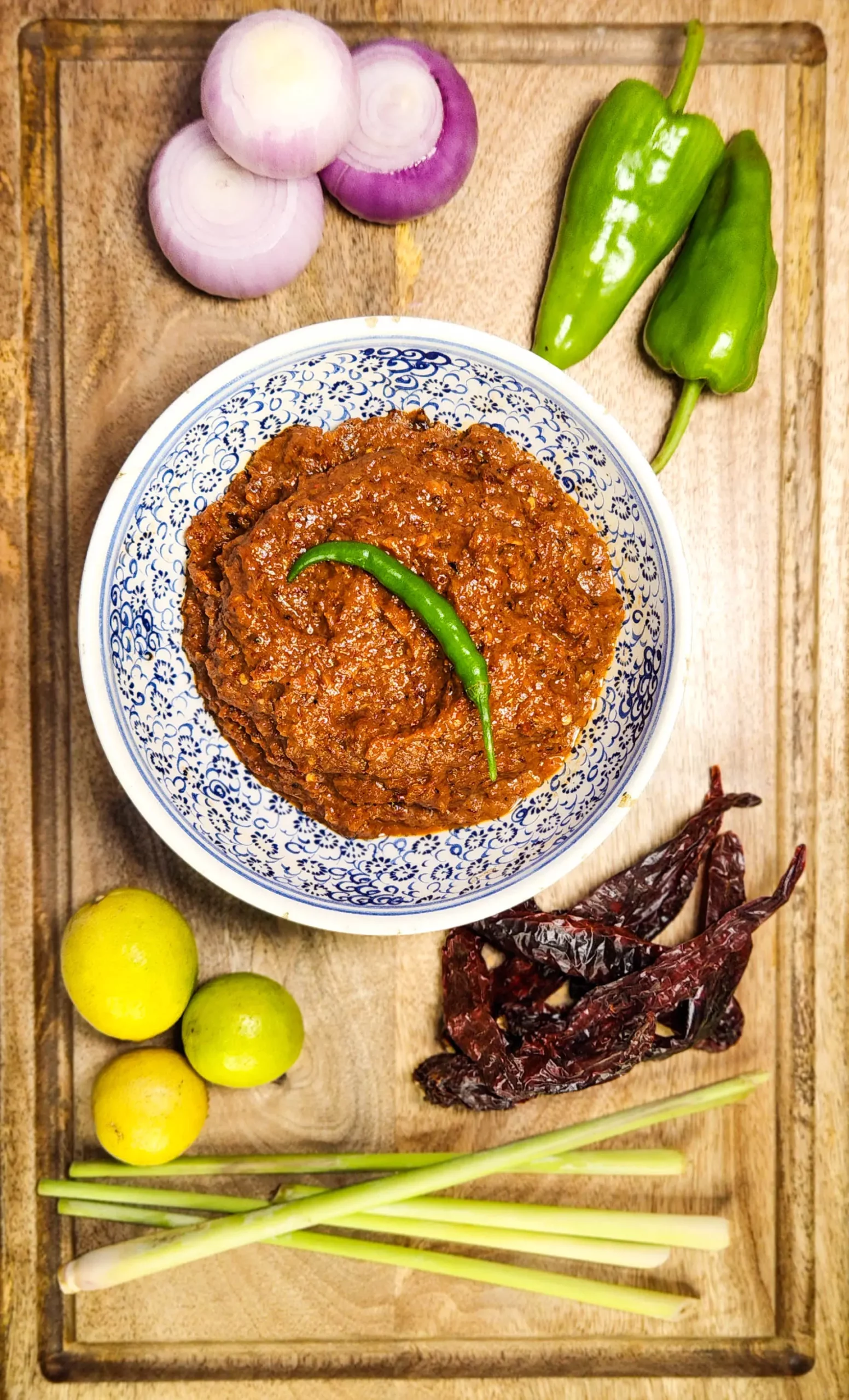
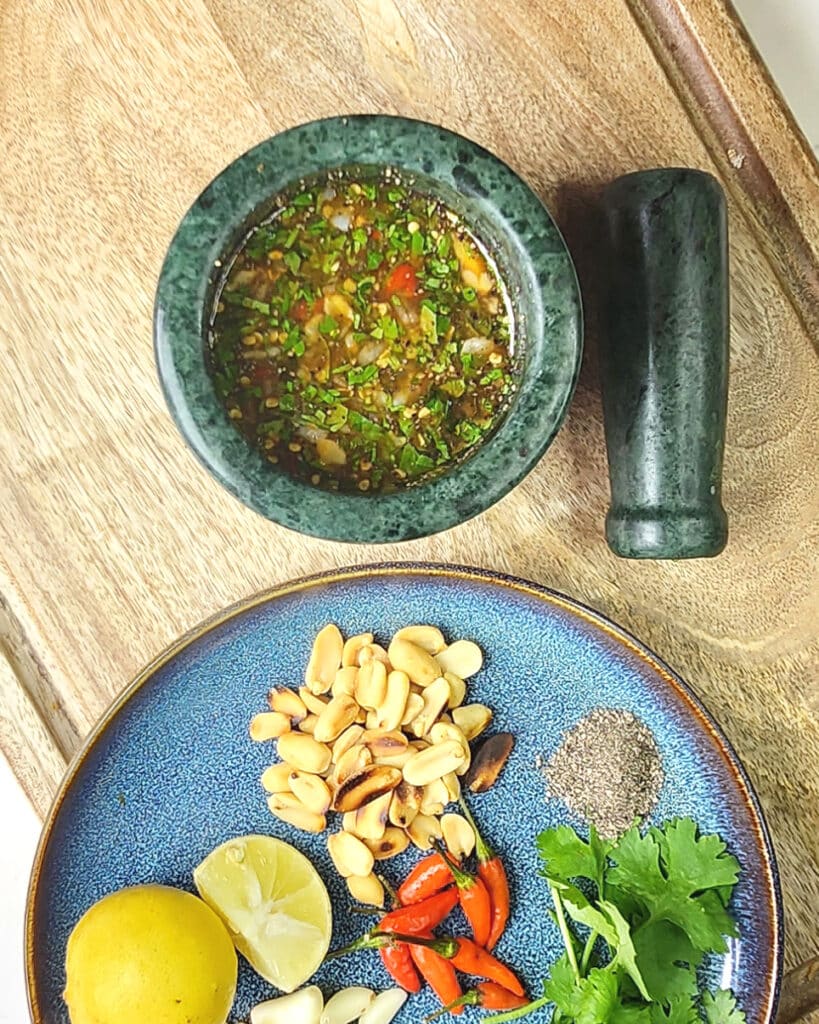
Gather the Ingredients
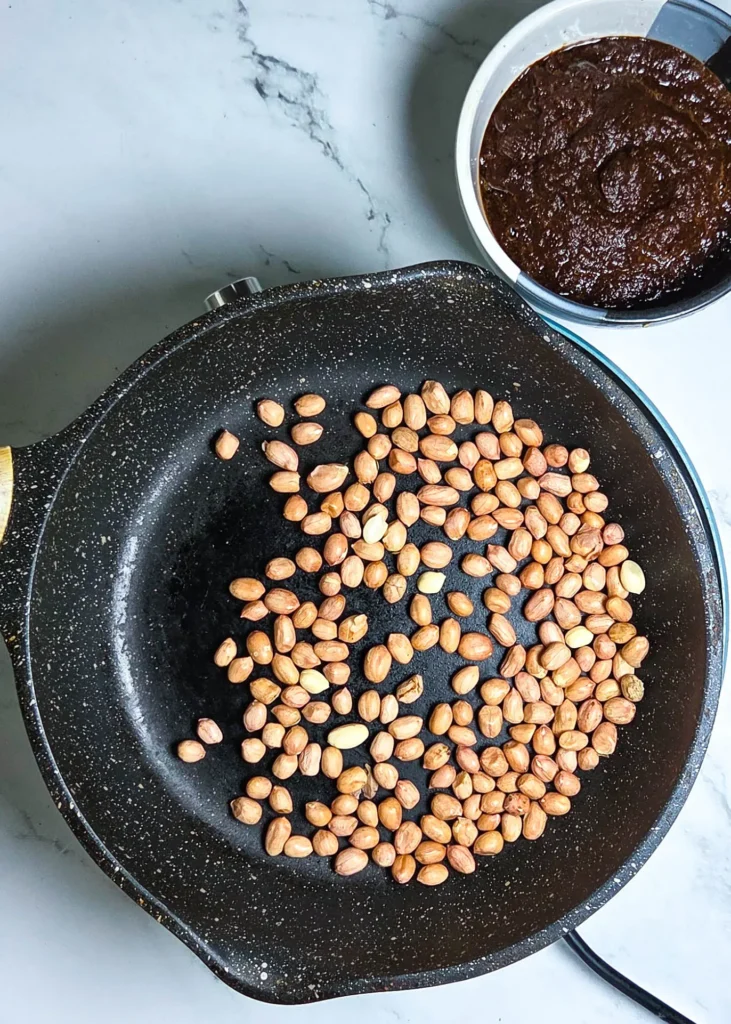
and Toast and Crush the Peanuts
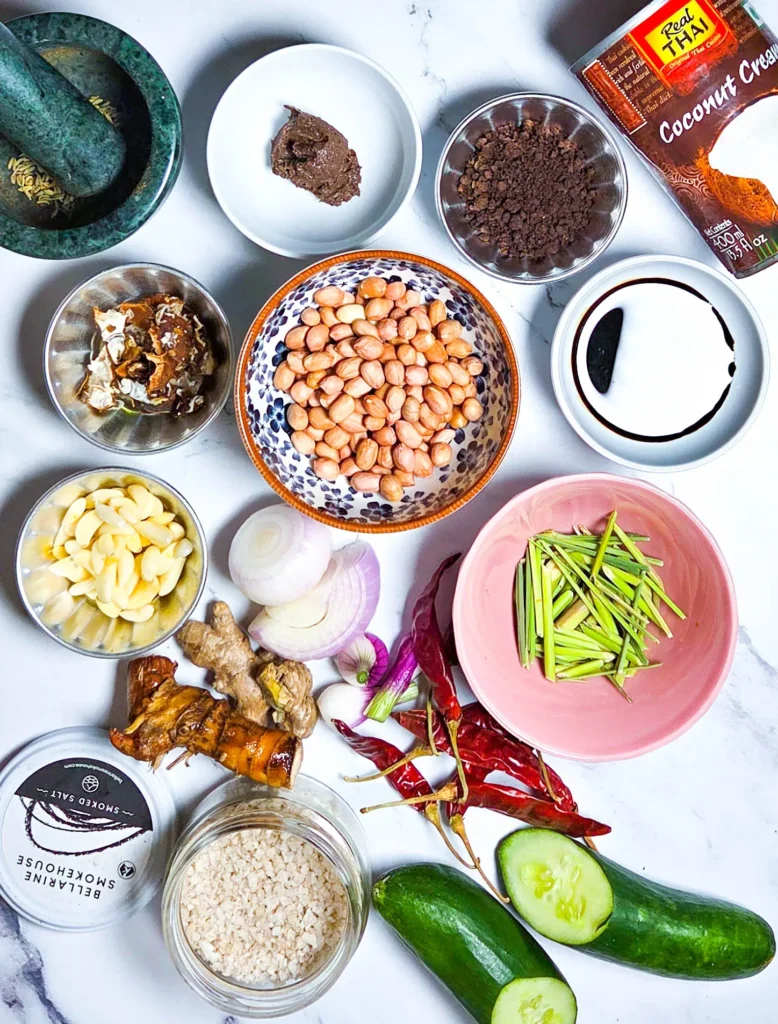
Toast peanuts in a hot pan until browned, then crush into a coarse powder using a food processor or mortar and pestle.

Cook the Sauce
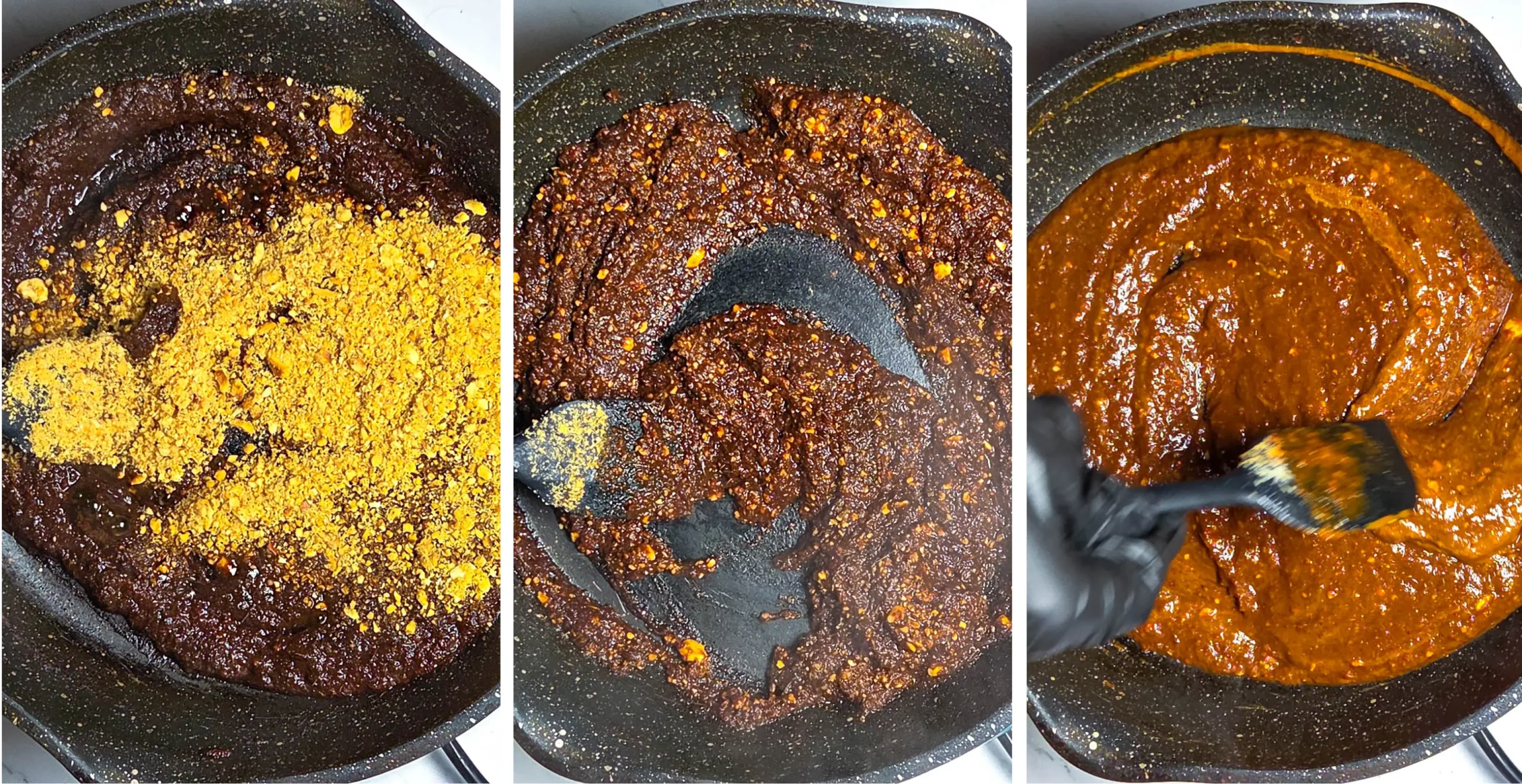
Blend the sauce base ingredients into a thick paste.. Cook the paste in coconut oil until the oil separates, then stir in most of the crushed peanuts.
Add the remaining ingredients and adjust seasoning.

Serve
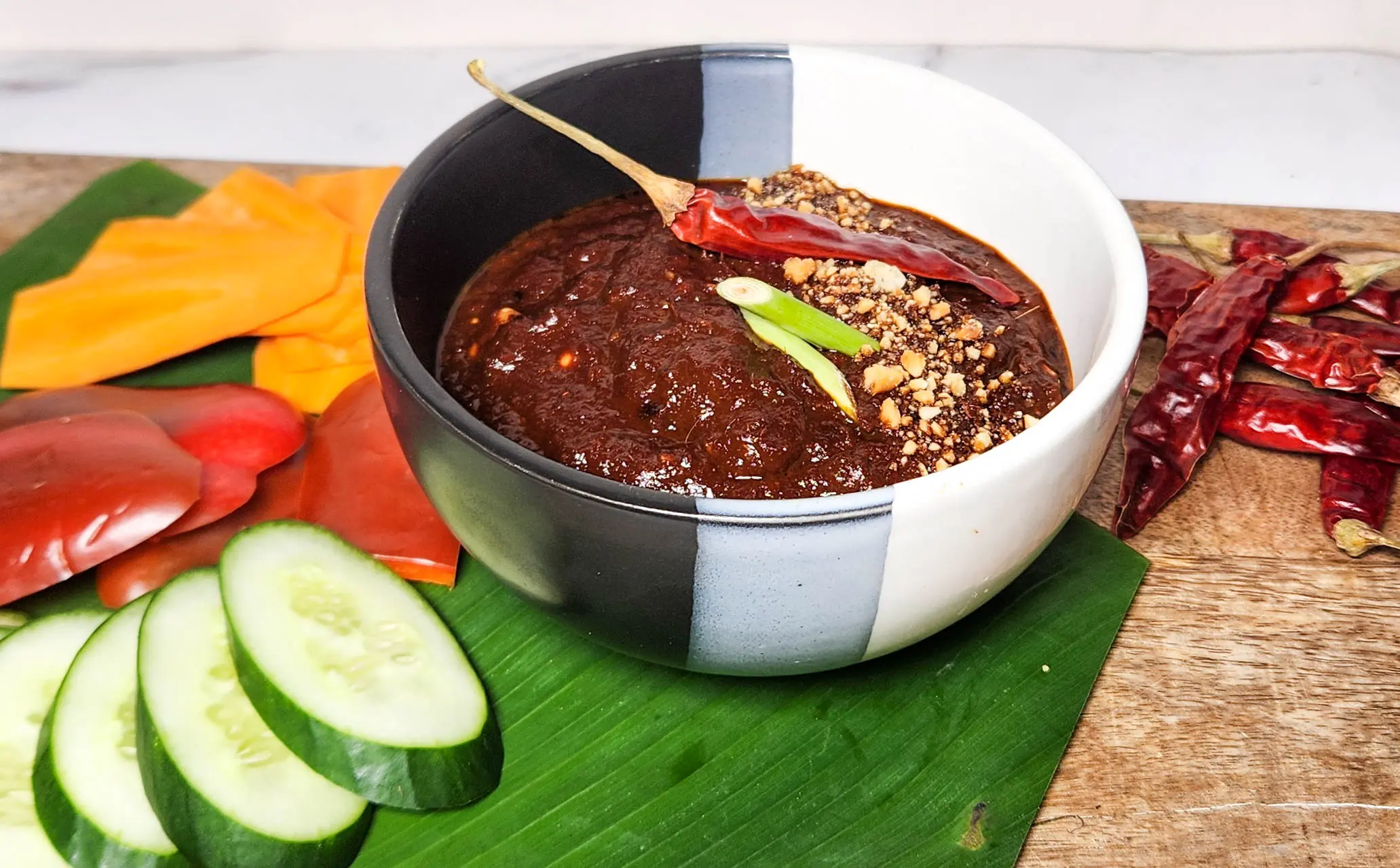
Top with the reserved crushed peanuts.
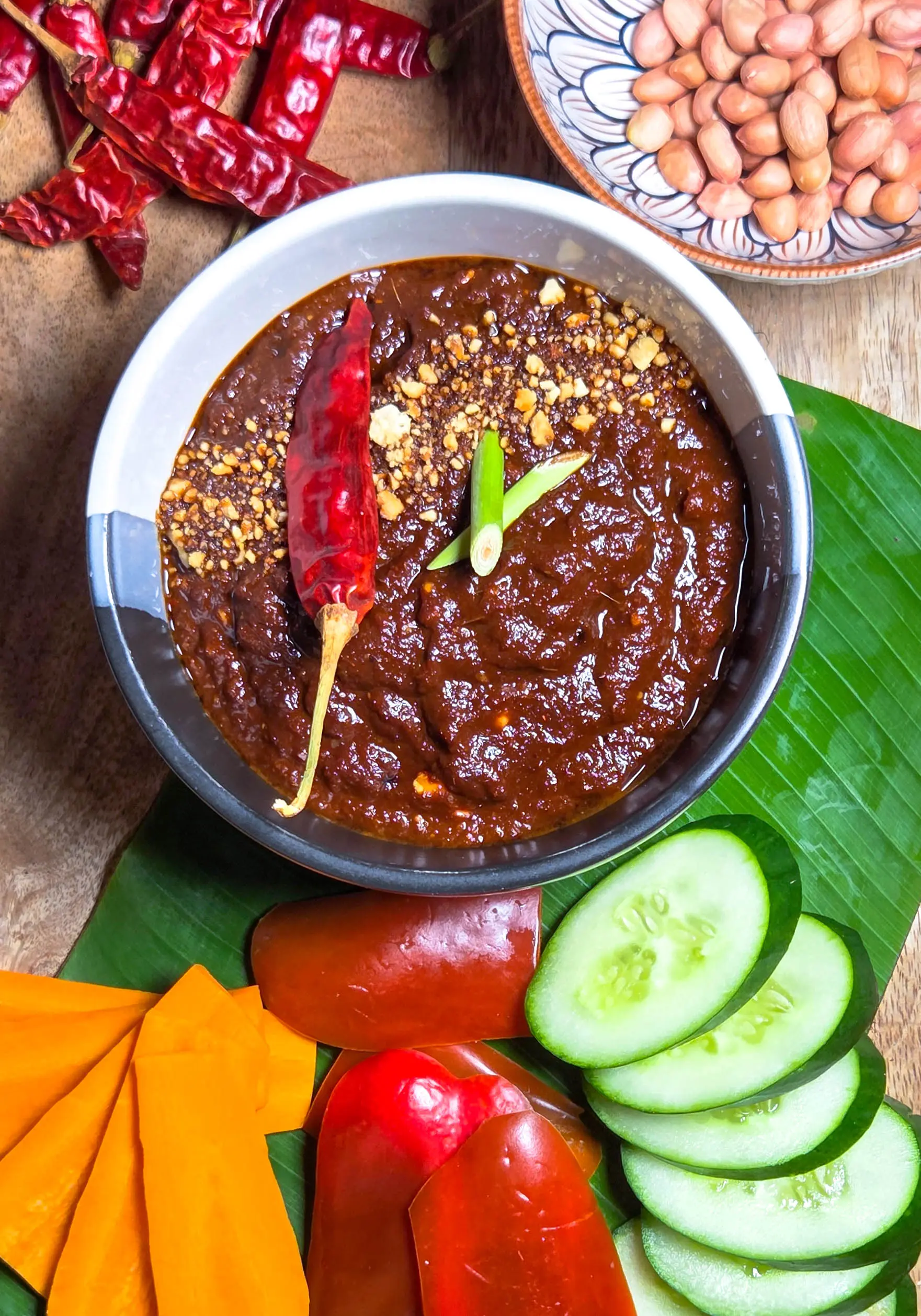
Serve with satay, prawn crackers, grilled meats, or use as a salad dressing.

- Toast your peanuts first. Even if you’re using store-bought roasted peanuts, toasting them again in a dry pan makes the flavour deeper and the sauce richer.
- Don’t skip the lemongrass. Fresh lemongrass gives the sauce that classic Southeast Asian flavour. Smash the stalks with the back of a knife so they release more aroma.
- Let it simmer low and slow. The longer it cooks gently, the better it tastes. Just stir often so it doesn’t catch at the bottom – it thickens as it cools, so don’t panic if it looks thin at first.
Peanut Satay Sauce
Ingredients
Equipment
Method
- In a hot pan toast the peanuts until brown. Crush them into a powder in a food processor or mortar and pestle.
- In a food processor whizz together all of the sauce base ingredients to make a thick paste.
- In a pan on medium heat, add 1 tablespoon coconut oil, and the sauce base paste until the oil starts to separate (around 2 minutes) add most of the crushed peanuts, keeping a small amount for finishing.
- Saute for 1 more minute then add all the remaining wet ingredients, and salt. Taste and adjust seasoning. Top with the remaining crushed peanuts and serve. Can be served with satay, prawns crackers, grilled meats and even mixed into a salad dressing.
FAQ
Peanut Satay Sauce Kuah kacang should have a harmonious blend of sweet, spicy, sour, and salty tastes. Adjust the balance by adding palm sugar for sweetness, tamarind juice for sourness, chilli for heat, and soy sauce or salt for saltiness. Taste as you go to find your preferred balance.
The consistency can vary based on cooking time and ingredient ratios. If it’s too thick, gradually add water or coconut milk while stirring. If it’s too thin, simmer the sauce longer to reduce and thicken it, stirring occasionally to prevent sticking.
Store the sauce in an airtight container in the refrigerator for up to a week. For longer storage, freeze it in portions for up to a month. Reheat gently on the stove, adding a splash of water if needed to adjust the consistency.
Kuah kacang is traditionally served with satay (grilled meat skewers) but also complements dishes like gado-gado (Indonesian salad), ketupat (rice cakes), and grilled tofu or tempeh. It can be served with prawns crackers, seafood and even mixed into a salad dressing. You can omit the shrimp paste to make it vegan. It’s a versatile sauce that adds depth to various dishes.
Galangal is a root that looks a bit like ginger but has a sharper, citrusy, almost pine-like flavour – it’s a key ingredient in Thai cooking. It is usually available in the Asian aisle of the supermarket or Asian grocers. If you can’t find it, use fresh ginger with a little bit of lime zest as a quick stand-in. It won’t taste exactly the same, but it gets you close enough.
What to serve with this Peanut Satay Sauce Recipe
Related Recipes